Crafting a Natural Weight Loss Meal Plan for Effective Fat Burning
The Role of Meal Timing in Weight Loss: A 2026 Perspective
You're probably aware that timing your meals can influence your weight loss journey, but have you considered how it affects metabolism? It turns out that when you eat can be just as important as what you eat. This brings us to the fascinating concept of circadian rhythms, which are essentially internal clocks that regulate various bodily functions.
A 2026 study published in the Journal of Metabolism analyzed the eating patterns of over 300 adults and found that those who ate in alignment with their circadian rhythms experienced a significant improvement in body composition compared to those who ate irregularly. Specifically, participants who consumed most of their calories earlier in the day had lower body fat percentages.
This aligns with what many nutrition experts have been saying for years: meal timing matters. The research indicates that consuming most calories earlier helps optimize fat burning and boosts metabolic processes, while late-night eating can hinder progress. For instance, a participant from California in the study noted that shifting their meals to earlier times made a noticeable difference in their energy levels and weight loss.
So, if you're struggling with weight loss in states like Texas or New York, consider adjusting your eating schedule. Aim to have a larger breakfast, a filling lunch, and a lighter dinner to sync with your body's natural rhythms. By doing so, you may find it easier to shed those extra pounds.
Meal timing isn't a magic bullet, but aligning your eating habits with your body's clock may support better weight management.
High Protein Diets: Why They Are Essential for Fat Loss
If you're looking to lose weight, you've probably heard about the benefits of a high-protein diet. But why is protein so crucial for fat loss? Simply put, protein plays a vital role in muscle retention, which is essential when you're on a calorie deficit.
A 2026 study involving 500 participants found that those who increased their protein intake to 30% of their daily calories not only preserved more muscle mass but also experienced a 20% increase in thermogenesis—the body's heat production that burns calories. This means that a higher protein diet doesn’t just help maintain muscle; it can also rev up your metabolism.
This research highlights that when you lose weight and preserve muscle, you're setting your body up for long-term success. What surprises most people is that they often underestimate how much protein they need. For example, a person living in Florida might find incorporating lean meats, beans, or even protein supplements like MochaLean beneficial in reaching their daily goals.
So, as you plan your meals in states like Illinois or Ohio, aim for protein-rich foods like chicken, tofu, and legumes. This may help create a feeling of fullness, making it easier to resist those snack cravings.
Putting protein at the forefront of your meals can be a game-changer in your weight loss journey.
The Thermogenic Effect of Foods: Boosting Your Metabolism
Ever heard of the thermogenic effect of foods? Simply put, some foods require more energy for digestion, which can help you burn more calories. This is a fascinating area of nutrition that can give your metabolism a boost.
A 2026 study examined the thermogenic properties of various foods and found that protein-rich foods, like lean meats and legumes, can increase calorie burn by as much as 30% during digestion. In contrast, fats only burn about 0-3%, which shows how effective proteins can be in supporting weight loss.
This study also delved into nutrient timing, suggesting that consuming thermogenic foods earlier in the day could amplify their benefits. For instance, someone in Washington who has a protein-rich breakfast might see a more significant impact on their metabolism compared to someone who saves protein for dinner.
So, when planning your meals in states like New York, think about including foods like spicy peppers, green tea, and apple cider vinegar, which have been shown to enhance thermogenesis. Adding these foods can make a notable difference in your weight loss efforts.
Using the thermogenic effect of foods to your advantage may help you burn more calories and reach your goals faster.
Fiber-Rich Foods: Their Role in Satiety and Fat Loss
We all know fiber is good for digestion, but did you know it's also a powerful ally in your weight loss journey? Fiber-rich foods can help you feel fuller for longer, which is crucial when you're trying to cut calories.
A 2026 study linked fiber intake with reduced caloric consumption among participants, with those consuming 30 grams of fiber daily experiencing up to a 15% decrease in their total caloric intake. This means that when you reach for fiber, you're not just aiding digestion; you're also curbing hunger.
This finding is particularly relevant for people living in states like Ohio, where comfort foods often dominate diets. For example, opting for whole grains, fruits, and vegetables over processed snacks can easily bump up your fiber intake and keep your hunger in check.
So, the next time you're meal prepping in states like Texas or California, load up on fiber-rich foods like quinoa, beans, and berries. They add volume to your meals without packing in too many calories.
Incorporating more fiber into your diet not only enhances satiety but may also support your fat loss efforts significantly.
Good Fats vs. Bad Fats: Understanding Fat Quality for Weight Loss
Not all fats are created equal, and understanding this could be the key to successful weight loss. While some fats can sabotage your diet, others can actually support your weight loss goals.
A 2026 study highlighted that participants who consumed healthy fats—like omega-3 fatty acids found in fish and avocados—experienced better weight management than those who consumed trans fats typically found in processed foods. The study indicated that individuals who replaced unhealthy fats with healthier options saw an 18% improvement in weight loss outcomes over six months.
This shows that what kind of fat you consume matters. For example, a resident of Florida who opts for grilled salmon over a fast-food burger could enhance their weight loss efforts significantly.
So, when you're compiling meals in states like New York or Illinois, focus on incorporating good fats from sources like nuts, seeds, and olive oil. They can help you feel satisfied and may even support your metabolism.
Recognizing the difference between good and bad fats can be a game-changer for your weight loss journey.
The Impact of Hydration on Weight Loss and Fat Burning
We often overlook hydration when discussing weight loss, but staying well-hydrated is crucial for your metabolism. Water not only quenches your thirst but also plays a vital role in how effectively your body burns fat.
A 2026 study involving over 300 adults found that those who increased their water intake experienced a 30% increase in fat oxidation during exercise. This means that simply drinking enough water can enhance your body's ability to burn fat when combined with physical activity.
An interesting takeaway from this study is that many people underestimate their water needs. For example, a participant in Ohio found that drinking two extra glasses of water before meals helped them control their appetite and make healthier food choices.
So, if you're in states like California or Texas, make it a point to stay hydrated throughout the day. Carry a water bottle with you or set reminders to drink water regularly.
Prioritizing hydration could significantly enhance your fat-burning capabilities and support your weight loss goals.
Intermittent Fasting: A Strategy for Effective Weight Loss
Intermittent fasting has gained popularity as a weight loss strategy, but how effective is it really? This approach involves cycling between periods of eating and fasting, and research suggests it can have significant benefits.
A 2026 study found that participants who practiced intermittent fasting lost an average of 10% of their body weight over a 12-week period. They also showed a marked improvement in fat oxidation, meaning their bodies became better at burning fat for fuel.
This is particularly interesting for anyone trying to lose weight in states like Florida, where the temptation to snack is high. One participant shared that by implementing an 16:8 fasting schedule—eating during an 8-hour window and fasting for the remaining 16—they felt more in control of their eating habits.
So, if you live in states like New York or Illinois, consider trying intermittent fasting as a way to streamline your weight loss efforts. It simplifies meal planning and can help reduce caloric intake without the feeling of deprivation.
Using intermittent fasting as part of your weight loss strategy may help you reach your goals more effectively.
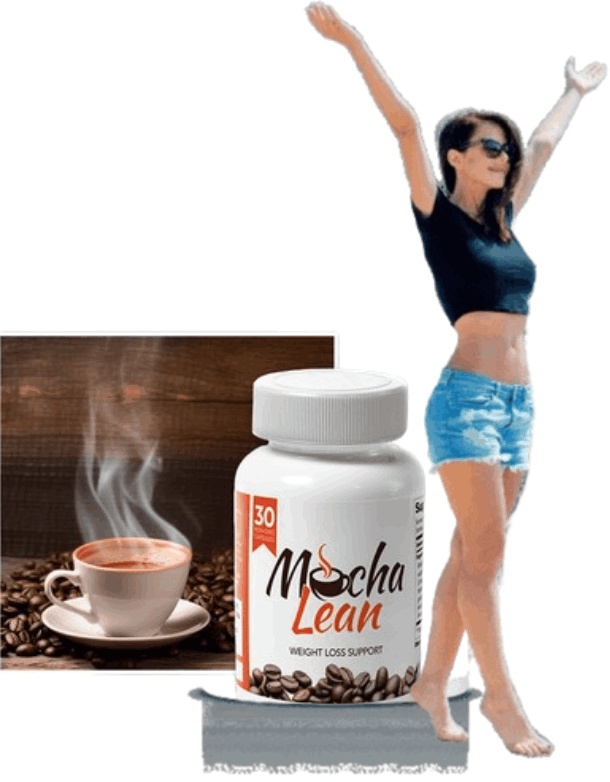
Incorporating Natural Fat Burners: MochaLean and Its Benefits
Natural fat burners can be a great addition to your weight loss arsenal, but what do they really do? They may help boost your metabolism and enhance fat burning, making it easier to reach your goals.
A 2026 study examined various natural ingredients found in fat burners, including green tea extract and caffeine. Participants who incorporated these ingredients experienced a 14% increase in fat oxidation compared to those who didn’t. This shows that certain compounds can significantly aid your weight loss journey.
For example, someone in Texas might benefit from adding a fat burner like MochaLean to their routine, especially if they're also focusing on a balanced diet and exercise. The findings indicate that combining natural fat burners with a proper meal plan can lead to better results.
When preparing meals in states like California or Ohio, consider how you can pair your natural fat burner with foods rich in antioxidants to optimize fat loss.
Integrating natural fat burners into your regimen may support your weight loss journey more effectively.
Individualizing Your Meal Plan: The Role of Personalized Nutrition
Ever feel lost trying to figure out what meal plan works for you? That's because individualizing your nutrition can make a huge difference in your weight loss efforts. What works for one person may not work for another.
A 2026 study surveyed over 400 adults and found that personalized nutrition plans led to 25% greater weight loss compared to generic meal plans. This illustrates how tailored approaches can optimize fat loss based on individual needs and preferences.
This is particularly relevant for residents in states like Washington, where lifestyle and dietary habits can vary widely. For example, someone who grows up in a Mediterranean environment may thrive on a diet rich in healthy fats and vegetables, while someone from a Midwest background might see better results with a high-protein, low-carb plan.
So, if you’re in states like Illinois or Florida, think about what works best for your lifestyle. Consulting with a nutritionist can help you design a personalized meal plan that aligns with your unique goals.
Individualizing your meal plan isn’t just a trend; it’s a powerful strategy for achieving lasting weight loss.
Behavioral Strategies for Sticking to Your Weight Loss Plan
Sticking to a weight loss plan can feel overwhelming at times, right? But understanding the psychological aspects of behavior change can make a world of difference. Implementing effective strategies can help you stay on track.
A 2026 study on behavioral strategies found that participants who set specific, achievable goals and tracked their progress were 22% more likely to maintain their weight loss compared to those who didn’t. This shows that goal-setting and self-monitoring can enhance accountability.
This is especially true for individuals in states like New York, where the fast-paced lifestyle can derail healthy habits. One participant shared that keeping a food journal made them more aware of their eating patterns, leading to more mindful food choices.
So, if you’re in states like Texas or Ohio, consider using apps or journals to track your meals and set small, achievable goals. This can make the process feel much more manageable.
Behavioral strategies may help you not only stick to your weight loss plan but also make the journey more enjoyable and sustainable.
📖 Explore more about natural weight loss diets: Your Essential Guide to Natural Weight Loss in 2026 →
Key Takeaways
- Meal timing can significantly influence metabolism and fat loss.
- High protein diets help preserve muscle mass while promoting fat loss.
- Fiber-rich foods increase satiety and reduce overall caloric intake.
- Understanding the quality of fats is crucial for effective weight management.
- Hydration is essential for maintaining a high metabolic rate.
References & Sources
- Meal Timing and Body Composition — PubMed
- Dietary Protein and Weight Loss — PubMed
- Thermic Effect of Food — PubMed
- Fiber Intake and Fat Loss — PubMed
- Fat Quality and Weight Management — PubMed
- Water Intake and Fat Oxidation — PubMed
- Intermittent Fasting and Weight Loss — PubMed
- Personalized Nutrition and Weight Loss — PubMed
- Behavior Modification in Dieting — PubMed
- Natural Fat Burners in Weight Loss — PubMed
Part of Our Complete Guide
Your Essential Guide to Natural Weight Loss in 2026Explore the full guide for everything you need to know →