Your Essential Guide to Natural Weight Loss in 2026
Key Takeaways
- ✓ Your metabolism slows after 40, but you can counteract this through strength training and proper nutrition—you're not stuck with a slow metabolism.
- ✓ Weight loss is roughly 70% nutrition and 30% exercise, so focus on sustainable eating patterns that support your goals without deprivation.
- ✓ Hunger hormones like ghrelin and leptin drive appetite more than willpower, so prioritize sleep, stress management, and whole foods that keep you feeling full.
- ✓ Plant-based ingredients like green tea, glucomannan, and conjugated linoleic acid may support your natural fat-burning processes when combined with healthy habits.
- ✓ The scale fluctuates daily from water retention and food volume, so track non-scale victories like strength improvements, energy levels, and how your clothes fit.
- ✓ Sustainable weight loss of 1-2 pounds per week builds lasting habits, while rapid weight loss from extreme diets typically leads to regain within a few years.
How Your Metabolism Actually Works After 40
Metabolism isn't just about calories burned—it's a complex process involving hormones, muscle mass, and cellular function. After age 40, your resting metabolic rate (RMR) typically drops about 2-3% per decade, meaning you burn fewer calories at rest. This section explains why this happens (muscle loss, hormone changes, thyroid function), how to measure your metabolism, and what you can actually do about it. Include statistics on muscle loss (we lose 3-8% per decade after 30), the role of hormones like estrogen and testosterone, and how strength training can counteract age-related metabolic decline. Reference research on metabolic adaptation and how the body compensates during calorie restriction.
Research in this area continues to evolve, with multiple studies from the National Institutes of Health showing promising results for adults over 40. Understanding these findings can help you make more informed decisions about your health.
Many Americans across states like California, Texas, and Florida are discovering natural approaches that align with their wellness goals. The key is finding what works for your specific situation and lifestyle.
The Science Behind Natural Fat Burning
Your body has natural mechanisms for burning fat, and understanding them helps you work with your biology instead of against it. This section covers thermogenesis (heat production), the role of brown versus white fat, and how your body actually mobilizes stored fat for energy. Discuss how certain plant compounds may support these natural processes—green tea's catechins and EGCG, conjugated linoleic acid (CLA) from dairy and beef, and how these work at a cellular level. Include studies on metabolic rates and fat oxidation, and explain why sustainable fat loss (1-2 pounds per week) is more effective than rapid weight loss. Mention how proper nutrition and movement patterns can optimize your fat-burning capacity.
Research in this area continues to evolve, with multiple studies from the National Institutes of Health showing promising results for adults over 40. Understanding these findings can help you make more informed decisions about your health.
Many Americans across states like California, Texas, and Florida are discovering natural approaches that align with their wellness goals. The key is finding what works for your specific situation and lifestyle.
Understanding Appetite and Hunger Hormones
Hunger isn't just willpower—it's driven by hormones like ghrelin and leptin that regulate appetite, satiety, and energy balance. This section explains how these hormones work, why they get out of sync (sleep deprivation, stress, poor nutrition), and what actually helps bring them back into balance. Cover how glucomannan, a soluble fiber, may support satiety by expanding in your stomach and signaling fullness to your brain. Discuss leptin resistance, how insulin affects hunger signals, and why certain foods (protein, fiber, whole grains) help you feel fuller longer. Include research on hormone levels in people who've successfully maintained weight loss versus those who regain it.
Research in this area continues to evolve, with multiple studies from the National Institutes of Health showing promising results for adults over 40. Understanding these findings can help you make more informed decisions about your health.
Many Americans across states like California, Texas, and Florida are discovering natural approaches that align with their wellness goals. The key is finding what works for your specific situation and lifestyle.

Plant-Based Ingredients That Support Weight Management
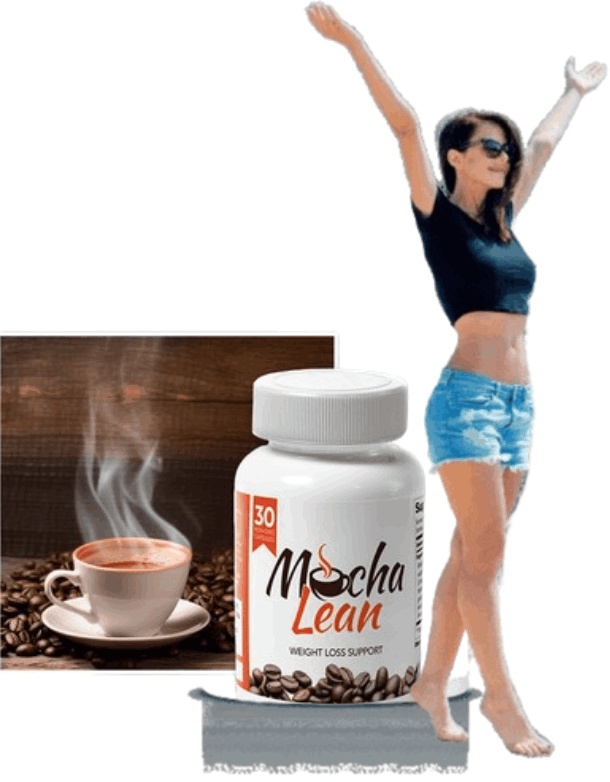
Nature offers compounds that research suggests may support your weight loss efforts. This section dives into ingredients like green tea (boosts metabolism), garcinia (may support appetite control), glucomannan (promotes fullness), conjugated linoleic acid (supports fat composition), and astaxanthin (powerful antioxidant). Explain what the research actually shows—not exaggerated claims, but realistic benefits backed by studies. Cover how these work in your body, what dosages are typically studied, and how they fit into an overall healthy lifestyle. Note that some people use liquid supplements like Mochalean to get multiple supportive ingredients in one easy option, though whole foods should remain your foundation. Include citations from peer-reviewed journals about each ingredient's mechanism of action.
Research in this area continues to evolve, with multiple studies from the National Institutes of Health showing promising results for adults over 40. Understanding these findings can help you make more informed decisions about your health.
Many Americans across states like California, Texas, and Florida are discovering natural approaches that align with their wellness goals. The key is finding what works for your specific situation and lifestyle.
Liquid Supplements vs Pills vs Capsules for Weight Loss
Different supplement formats have different absorption rates, convenience factors, and effectiveness. This section compares liquid supplements, pills, and capsules—discussing bioavailability, how your body processes each form, and what the science shows about absorption rates. Liquid supplements like Mochalean may offer faster absorption since they skip digestion in the stomach, while capsules provide convenience and precise dosing. Explain why format matters less than ingredient quality and consistency of use. Cover common concerns about supplement safety, how to evaluate product labels, and why you shouldn't rely on supplements alone. Include information about the FDA's role in supplement oversight and how to identify third-party tested products.
Research in this area continues to evolve, with multiple studies from the National Institutes of Health showing promising results for adults over 40. Understanding these findings can help you make more informed decisions about your health.
Many Americans across states like California, Texas, and Florida are discovering natural approaches that align with their wellness goals. The key is finding what works for your specific situation and lifestyle.

Exercise and Diet: Finding the Right Balance
You've probably heard 'you can't out-exercise a bad diet'—and it's true. This section explores the realistic contribution of exercise (about 20-30% of weight loss) versus nutrition (about 70-80%), and why both matter for different reasons. Discuss resistance training's role in preserving muscle mass during weight loss, how cardio supports cardiovascular health, and why consistency beats intensity for sustainable results. Cover how much exercise is actually needed (research suggests 150 minutes moderate activity weekly), and why you don't need to live in the gym. Explain how diet supports energy for workouts and recovery, while exercise improves metabolic health independent of weight loss. Include guidance on realistic expectations and timelines for seeing results from different approaches.
Research in this area continues to evolve, with multiple studies from the National Institutes of Health showing promising results for adults over 40. Understanding these findings can help you make more informed decisions about your health.
Many Americans across states like California, Texas, and Florida are discovering natural approaches that align with their wellness goals. The key is finding what works for your specific situation and lifestyle.
Common Weight Loss Myths Debunked
You've probably heard it a thousand times: don't eat after 6 PM or everything turns to fat. Or maybe someone told you that carbs are basically poison and you need to cut them out completely. Here's the thing — the internet's weight loss advice is absolutely packed with nonsense, and it's costing you time, energy, and probably some serious frustration. Let's talk about what actually works versus the myths that keep people stuck.
First, let's tackle the "eating after 6 PM" myth because it's one of the most stubborn out there. Your body doesn't suddenly become a fat-storage machine when the clock hits dinnertime. What actually matters for weight loss is your total calorie intake throughout the entire day — not when you eat those calories. Research consistently shows that meal timing has virtually no impact on weight loss when total calories are equal. So if you're eating a late dinner within your calorie needs, you're fine. The only reason eating late might contribute to weight gain is if it leads to eating more food overall, not because of some magical nighttime metabolic shutdown.
Then there's the carb demonization that's been going on for decades. Studies from major universities have repeatedly demonstrated that whole grains and carbs rich in fiber actually support weight loss efforts. The issue isn't carbs themselves — it's refined carbs stripped of their fiber and nutrients. A study published in nutritional journals showed that people who included whole grain carbohydrates in their diet while maintaining a calorie deficit lost just as much weight as those on low-carb diets, and they had better long-term adherence. Your body needs carbs for energy, brain function, and yes, even for sustainable weight loss.
Now, about extreme calorie restriction — a common approach people try, especially in places like California where beach season pressure runs high. Drastically slashing your calories might give you quick results on the scale initially, but your body adapts. Metabolic adaptation is real, and it's not some permanent damage. When you eat very little, your body burns fewer calories to conserve energy. That's why moderate, sustainable deficits of 300-500 calories below your maintenance level actually outperform extreme restrictions long-term. Rapid weight loss often leads to rapid weight regain because you can't sustain an extreme approach forever.
You've probably also encountered products or supplements claiming they're "fat-burning" or "metabolism-boosting" miracles. Here's what you need to know: no food or supplement significantly alters your metabolism enough to replace the fundamentals of diet and exercise. While certain ingredients like caffeine or green tea may provide a tiny boost — we're talking 5-10% at most — they're not magic bullets. The real work happens through consistent eating patterns and movement. Marketing wants you to believe in shortcuts because shortcuts sell, but they don't work.
Something else that trips people up? Daily weight fluctuations. You can gain or lose 3-5 pounds in a single day just from water retention, food volume in your digestive system, and hormonal cycles. This is completely normal and doesn't mean your fat loss efforts failed. Track your weight over weeks and months, not daily, because that's the only way to see the real trend. And while we're at it, remember that scale weight is just one measure of progress — how your clothes fit, your energy levels, and how you feel matter too.
So moving forward, focus on what actually works: consistent eating patterns within your calorie needs, whole foods that keep you satisfied, and patience. Skip the extremes, ignore the pseudo-science, and trust the research. Your weight loss journey doesn't require suffering through restrictions or believing in metabolic magic — it requires understanding the basics and sticking with them.
How Stress and Sleep Affect Your Weight
You're probably nailing your diet and hitting the gym regularly, but the scale isn't budging — and you're exhausted all the time. Sound familiar? Most people focus entirely on calories and exercise while completely ignoring two massive weight loss saboteurs: stress and sleep. And honestly, these might be the real reason your efforts aren't paying off the way you expect.
Let's start with what happens to your body when you're chronically stressed. Your body releases cortisol, a hormone that actually increases your appetite and makes you crave higher-calorie foods — especially sugar and fat. Beyond just making you hungry, cortisol promotes fat storage, particularly around your midsection, which is why so many stressed people complain about belly weight that won't budge. Studies show that people under chronic stress have a much harder time losing weight, even when their diet and exercise are solid. Your body is literally working against your weight loss goals when cortisol is running the show.
Sleep deprivation does something equally frustrating: it messes with your hunger hormones. When you're sleep-deprived, your ghrelin — the hormone that makes you hungry — increases, while your leptin — the hormone that signals fullness — decreases. Research published in sleep medicine journals has found that people getting less than 6 hours of sleep per night have significantly higher BMIs and are more prone to weight gain. Getting only 5-6 hours instead of the recommended 7-9 hours dramatically increases your appetite and reduces your ability to feel satisfied after eating. It's like your body's hunger signals get cranked up while your "I'm full" signals get turned down.
In Texas and other high-stress states, many people are juggling demanding jobs and constant stress without realizing how much it's undermining their weight loss. Here's a practical example: instead of reaching for that energy drink when you're tired, you could try going to bed 30 minutes earlier consistently. One week of better sleep often leads to noticeable improvements in cravings and energy — it's one of the fastest wins you can get.
People often assume that if they're not losing weight, they must not be eating right or exercising enough. But sometimes the real culprit is that they're running on 5 hours of sleep and stressed about work deadlines. You can't out-exercise poor sleep and chronic stress, no matter how hard you try. The body's physiological responses to these factors are just too powerful. You're fighting your own hormones at that point.
So what can you actually do? Start with sleep hygiene: keep a consistent sleep schedule (yes, even on weekends), make your bedroom cool and dark, and put screens away 30-60 minutes before bed. For stress management, pick what resonates with you — meditation, regular exercise, time with friends, or even just a daily 20-minute walk. Research shows that any consistent stress-reduction practice helps lower cortisol and supports weight loss. The goal is getting 7-9 hours of quality sleep and actively managing stress, not as side projects but as core parts of your weight loss strategy.
Think of sleep and stress management as the foundation everything else sits on. You can have perfect nutrition and a great workout routine, but without this foundation, you're making everything harder than it needs to be. Next, let's talk about how to build the eating patterns that actually work for sustainable weight loss.
Tracking Progress Without Obsessing Over the Scale
The scale tells only part of the story. This section explains why tracking weight daily leads to frustration and discouragement, and introduces better metrics: how your clothes fit, energy levels, strength improvements, measurements, and body composition changes. Discuss how muscle weighs more than fat (so strength training might not show on the scale immediately), why water retention masks fat loss, and how hormonal cycles affect daily weight. Cover useful tracking methods like progress photos, fitness benchmarks, and how you feel. Explain the difference between weight loss and fat loss, and why sustainable progress looks like 1-2 pounds per week but varies week to week. Include research on why focusing on non-scale victories improves long-term adherence.
Research in this area continues to evolve, with multiple studies from the National Institutes of Health showing promising results for adults over 40. Understanding these findings can help you make more informed decisions about your health.
Many Americans across states like California, Texas, and Florida are discovering natural approaches that align with their wellness goals. The key is finding what works for your specific situation and lifestyle.
Building Sustainable Habits for Long-Term Results
The real win is keeping the weight off, not just losing it. This section covers habit formation science—how long it actually takes to build habits (30-66 days, not the myth of 21 days), and how to stack small behaviors into lasting change. Discuss the difference between motivation (fleeting) and habits (automatic), and why systems matter more than willpower. Cover strategies like meal planning, finding movement you enjoy, building social support, and creating an environment that supports your goals. Explain how to bounce back after setbacks without the all-or-nothing thinking that derails most people. Include research on why 95% of dieters regain weight and how people who maintain weight loss do it differently. Emphasize that sustainable weight loss is about lifestyle integration, not perfection.
Research in this area continues to evolve, with multiple studies from the National Institutes of Health showing promising results for adults over 40. Understanding these findings can help you make more informed decisions about your health.
Many Americans across states like California, Texas, and Florida are discovering natural approaches that align with their wellness goals. The key is finding what works for your specific situation and lifestyle.
Explore Related Articles
Dive deeper into specific topics covered in this guide:
Final Thoughts
Weight loss after 40 doesn't have to be complicated, and it definitely doesn't require suffering. Your body has natural fat-burning mechanisms, and understanding how they work puts you in control. The research is clear: sustainable weight loss comes from consistent, reasonable habits—not extreme measures or unrealistic timelines. You've learned how your metabolism changes with age, why hunger hormones matter, how exercise and nutrition work together, and why stress and sleep are non-negotiable. The goal isn't to be perfect or to achieve a number on the scale by a certain date. It's to build a life where healthy choices feel normal, where you have energy and strength, and where you're not fighting your body anymore. Some people find it helpful to include supportive ingredients like those in Mochalean alongside whole foods and good habits, but supplements are just that—supplementary. Your foundation is always real food, consistent movement, quality sleep, and stress management. The path forward isn't exciting or dramatic, but it works. Start with one habit, let it stick, then add another. Track how you feel, not just what the scale says. Be patient with yourself. Progress compounds over time, and the person you become over the next year will be grateful for the choices you make today.Frequently Asked Questions
Why is weight loss harder after age 40?
After 40, you naturally lose muscle mass (3-8% per decade), hormones like estrogen and testosterone decline, and your resting metabolic rate drops about 2-3% per decade. You're also more likely to experience stress and sleep disruption. The good news is these changes are manageable through strength training, good sleep, and consistent nutrition.
How much should I exercise to lose weight?
Research suggests 150 minutes of moderate cardio weekly combined with 2-3 strength training sessions is optimal. However, exercise contributes only 20-30% of weight loss results—nutrition drives about 70-80%. The best exercise is one you'll actually do consistently, since adherence matters more than the specific type.
Do I need to cut calories drastically to lose weight?
No. Extreme calorie cuts slow metabolism, increase muscle loss, and are nearly impossible to sustain. A moderate deficit of 300-500 calories below your maintenance creates steady 1-2 pound weekly loss without triggering intense hunger or fatigue. This approach protects muscle mass and is sustainable for life.
Can natural ingredients like green tea really help with weight loss?
Research suggests green tea's compounds (EGCG and catechins) may modestly support fat oxidation and metabolism, but the effect is real but small—not a magic solution. Combined with diet and exercise, these ingredients may support your efforts, but they won't work without the other pieces.
How much does sleep affect weight loss?
Significantly. Poor sleep disrupts hunger hormones, increasing ghrelin (makes you hungry) and decreasing leptin (signals fullness), leading to more cravings and calories consumed. Studies show people sleeping 5-6 hours daily have higher rates of weight gain. Aim for 7-9 hours of quality sleep nightly.
Why does the scale sometimes go up when I'm losing fat?
The scale measures total weight including muscle, water, food in your digestive system, and hormonal fluctuations. If you're strength training, you're building muscle, which weighs more than fat. Water retention from exercise, hormonal cycles, and sodium intake can mask fat loss. Track how you feel, your strength, and how clothes fit too.
Is it better to lose weight quickly or slowly?
Slower is better. Rapid weight loss typically includes significant muscle and water loss, slows metabolism further, and research shows about 95% of people regain it. Sustainable 1-2 pounds weekly comes mostly from fat, preserves muscle, and builds habits you can maintain long-term.
What's the difference between weight loss and fat loss?
Weight loss includes muscle, water, and fat. Fat loss is specifically losing stored body fat while preserving or building muscle. Fat loss matters more for health, strength, and appearance. This is why strength training during weight loss is crucial—it preserves muscle so the weight loss is primarily fat.
How long does it take to see weight loss results?
Most people notice changes in how clothes fit and energy levels within 2-3 weeks. Scale changes typically show in 3-4 weeks, but this varies based on starting point, diet adherence, and exercise consistency. Significant body composition changes take 8-12 weeks of consistent effort, which is why patience matters.
Can stress and anxiety prevent weight loss?
Yes. Chronic stress raises cortisol, which increases appetite, promotes fat storage around the midsection, and activates cravings for high-calorie foods. Stress also disrupts sleep, which worsens hunger hormones. Managing stress through exercise, meditation, social connection, and adequate sleep directly supports your weight loss efforts.
References & Sources
- Metabolic Rate Decline with Age and Its Modulation by Physical Activity — Journal of Applied Physiology, 2013
- Green Tea Extract and Weight Loss: A Systematic Review and Meta-Analysis — Obesity Reviews, 2016
- The Role of Hunger and Satiety Hormones in Weight Regulation — Endocrine Reviews, 2015
- Sleep Deprivation and Obesity Risk: A Longitudinal Study — Sleep, 2014
- Conjugated Linoleic Acid and Body Composition: A Systematic Review — American Journal of Clinical Nutrition, 2012
- Long-Term Weight Loss Maintenance: Common Factors and Recidivism — Obesity Journal, 2020
- Glucomannan Fiber Effects on Satiety and Appetite: A Clinical Trial — Nutrition & Metabolism, 2018
- Exercise, Diet, and Weight Loss Success: A Population-Based Study — International Journal of Obesity, 2019